Powell River Top General Contractor for Complete Renovation Services
General Contractor: Your Primary Professional for Home Projects
A general contractor holds an essential position in building projects. They manage various components of building operations, ensuring that all work proceeds without incident. Their expertise of construction regulations and standards permits them to address the challenges of authorizations and reviews. This knowledgeable professional represents an important bridge between homeowners and subcontractors. However, many homeowners remain confused about the breadth of their services. Grasping these points can have great importance for the success of any renovation project.
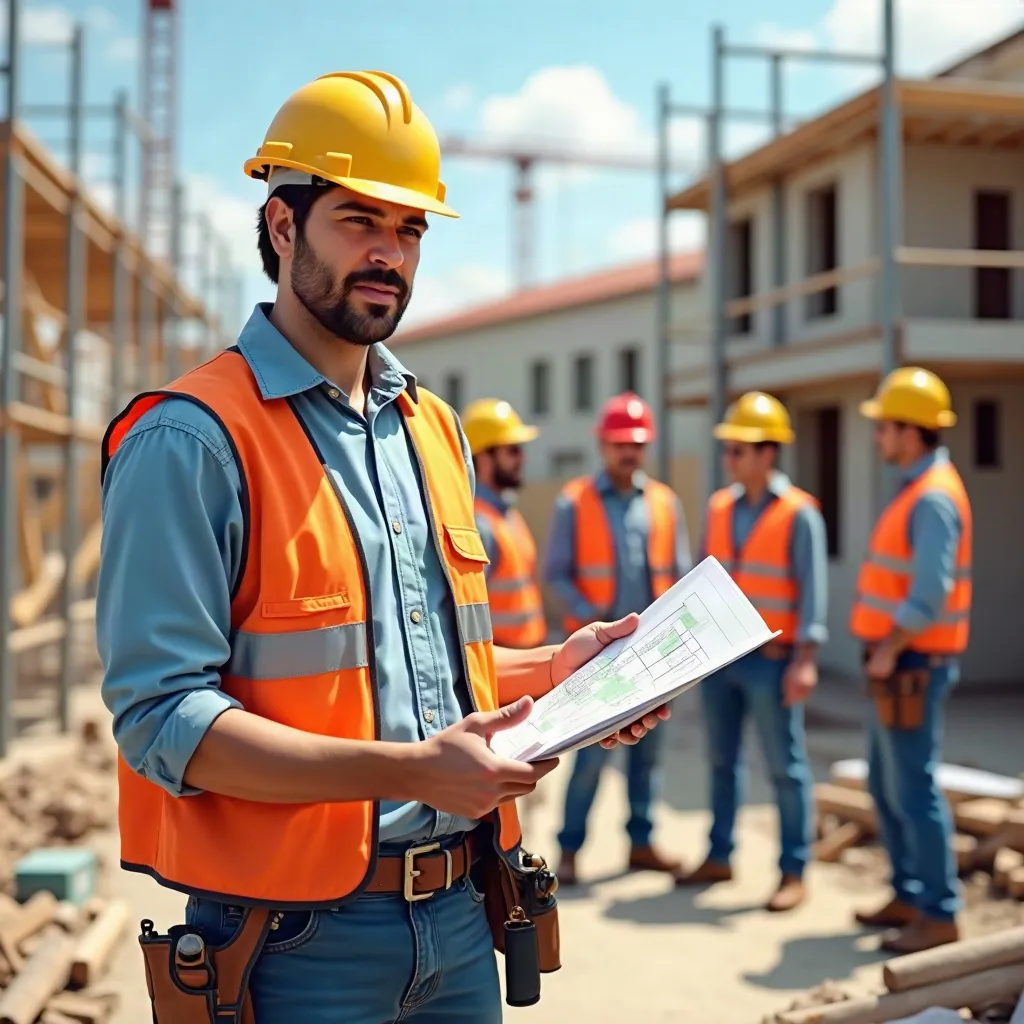
What Is the Role of a General Contractor Handle?
A project overseer manages the various elements of a building project, ensuring that operations proceed without interruption from start to finish. They act as the primary point of contact, handling dialogue between clients, subcontractors, and suppliers. This responsibility encompasses planning the work schedule, coordinating labor, and verifying compliance with area construction rules and standards.
General contractors are in charge of obtaining necessary permits and scheduling inspections, which are vital for upholding safety and quality benchmarks. They also manage budgeting, sourcing materials, and managing on-site activities to mitigate any potential delays or issues. In addition, they supervise subcontractors, making sure that each phase of construction conforms to project specifications and timelines. Overall, a general contractor's knowledge and management abilities are essential to delivering a successful construction project, transforming a client's vision into reality while balancing multiple tasks and responsibilities.
Advantages of Utilizing a General Contractor for Residential Remodeling
Using a general contractor for property remodeling provides many benefits that can substantially enhance the efficiency and quality of the renovation. General contractors deliver expertise in overseeing projects, ensuring timelines are met and resources are allocated efficiently. Their strong relationships with subcontractors can lead to competitive rates and superior workmanship, which ultimately helps property owners money and time.
Furthermore, general contractors handle the intricate details of permits and inspections, minimizing potential legal issues. They also deliver a single point of contact, simplifying interaction and management among multiple specialists. This streamlining reduces the probability of misunderstandings and delays.
Additionally, their expertise allows them to identify looming difficulties, permitting proactive solutions to stay on track the project on schedule. By bringing on a general contractor, homeowners can concentrate on their vision while obtaining peace of mind, knowing that a professional is managing every aspect of the renovation.
Clearing Up Myths Regarding Construction Professionals
While many homeowners may hold false beliefs about general contractors, understanding the realities can lead to more informed decisions. One common myth is that hiring a general contractor is not needed for minor projects; however, their skills can simplify even minor renovations, ensuring adherence with local codes. Another frequent belief is that general contractors are merely middlemen, but they often possess broad knowledge in multiple areas, enabling them to manage projects efficiently. Additionally, some clients think that working with a contractor will considerably inflate costs. In truth, a skilled general contractor can often secure better rates for materials and labor due to strong relationships with suppliers and subcontractors. Finally, many believe that contractors are inflexible, but trusted contractors prioritize client communication and collaborate closely to meet specific needs. Cleared up myths can empower homeowners to leverage the real value of contractors in achieving successful home projects.
Identifying the Best General Contractor?
How can homeowners guarantee they choose the right general contractor for their undertakings? The process begins with comprehensive investigation. Homeowners should obtain recommendations from friends, family, or online reviews to locate potential candidates. Once a compilation is compiled, verifying qualifications, such as licensing, bonding, and insurance, is essential to verify legitimacy.
Next, property owners should request and review samples of prior projects, focusing on projects similar in scope. Setting up interviews allows property owners to gauge compatibility, discussing deadlines, finances, and goals. It's also prudent to obtain multiple quotes for contrast, providing a clear understanding of pricing.
Reviewing references provides insight into a contractor's dependability and expertise. Finally, following your intuition is essential; an opening discussion can reveal much about a contractor's communication style and approach. By implementing these procedures, homeowners can markedly increase their chances of selecting a general contractor who suits their objectives and goals.
Strong Messaging Strategies To Use Alongside Your General Contractor
Which methods can homeowners utilize to maintain clear exchanges with their general contractor? Establishing open dialogue from the outset is necessary. Homeowners should plainly communicate their expectations, project goals, and cost parameters during opening conversations. Ongoing reports can be enabled through scheduled meetings, ensuring that both parties remain synchronized throughout the project.
Applying documented evidence, such as emails or project logs, reinforces spoken commitments and decreases confusion. Homeowners should likewise encourage open communication by welcoming feedback and questions from the contractor, fostering a cooperative setting.
Moreover, employing technology, such as project management apps, can improve dialogue by providing a centralized platform for sharing updates, timelines, and changes. Finally, being courteous and accessible can strengthen connection, allowing it simpler for the contractor to communicate challenges or suggestions effectively. By implementing these strategies, homeowners can cultivate a productive and open partnership with their general contractor.
What to Prepare For When Your Initiative Starts?
As the initiative begins, homeowners can expect a flurry of activity on-site. The general contractor will coordinate teams of skilled tradespeople, including electricians, plumbers, and carpenters, who will begin their work following the predetermined schedule. Homeowners may observe equipment and supplies being brought in, generating a bustling atmosphere.
Remaining in contact is essential during this phase. The contractor will deliver information on progress made and resolve any worries that emerge. Homeowners should be prepared for potential disruptions, such as noise and restricted passage to particular areas of the home.
Safety protocols will be in place to safeguard both workers and residents, guaranteeing a secure setting. Additionally, homeowners may be prompted to maintain flexibility, as visit this page unforeseen issues can arise, requiring adjustments to the original plan. Overall, this initial phase lays the groundwork for the successful completion of the project, and active participation is essential.
Key Topics for Your General Contractor Arrangement?
Pinpointing the suitable matters to ask when completing a general contractor agreement is imperative for guaranteeing a smooth project. Homeowners should seek clarity about the contractor's certification and safeguard to establish their credentials and protection against accountability. Understanding the project timeline and milestones is significant; therefore, asking about expected completion dates helps shape expectations.
It is also vital to define financial conditions, comprising deposit amounts and installment plans, to avert miscommunications. Residents should obtain a detailed breakdown of costs, embracing materials and labor, to guarantee transparency. In addition, talking through the process for managing changes or unexpected complications can thwart conflicts in the future.
Lastly, property owners must inquire into the qualifications of subcontractors, as well as the communication approach of the contractor throughout the project. By tackling these inquiries, homeowners can foster a productive relationship with their primary contractor, ultimately resulting in a successful residential project.
Frequently Requested Questions
How Do General Contractors Bill for Their Services?
Contractors usually charge by way of flat fees, time-based pricing, or a percentage of the total project cost. Their pricing model may also contain materials, work performed, and overhead, subject to the intricacy and breadth of the project.
Can a General Contractor Offer Aid With Permits and Reviews?
Yes, a general contractor can assist with securing permits and managing inspections. They generally navigate local regulations and maintain compliance, simplifying the workflow for homeowners while facilitating necessary authorizations throughout the construction project.
What Qualifications Should I Consider in a General Contractor?
When designating a general contractor, one should analyze professional attributes such as current licensing, suitable insurance, history with related undertakings, strong references, and proficient communication practices, confirming they retain the vital expertise to manage the project as planned.
How Much Time Does a Common Home Renovation Job Need?
A routine home renovation work can extend anywhere from a few weeks to several months, influenced by the scope, difficulty, and size of the project, as well as the availability of materials and labor.
What Transpires if My Assignment Overshoots Cost Allowance?
Should a project go over budget, the builder typically discusses the causes and alternatives with the property owner. Modifications may include reducing costs, seeking additional funding, or revising the project scope to align with financial limits.